
در فریلنسرها
فریلنسرها
استخدام حرفهای ترین فریلنسرها
پروژهها
کسب درآمد از طریق انجام پروژه
خدمات
جستجو میان خدمات تخصصی
نمونه کارها
بیش از ۱۰۰ هزار نمونه کار
برونسپاری
آموزش آنلاین
کسب درآمد



نمونه کار مقاله ای در مورد کامپیوتر به زبان انگلیسی و ترجمه ی آن

مقاله ای در مورد کامپیوتر به زبان انگلیسی و ترجمه ی آن
ثبت پروژه مشابه دعوت به همکاری
۴۷ ۰
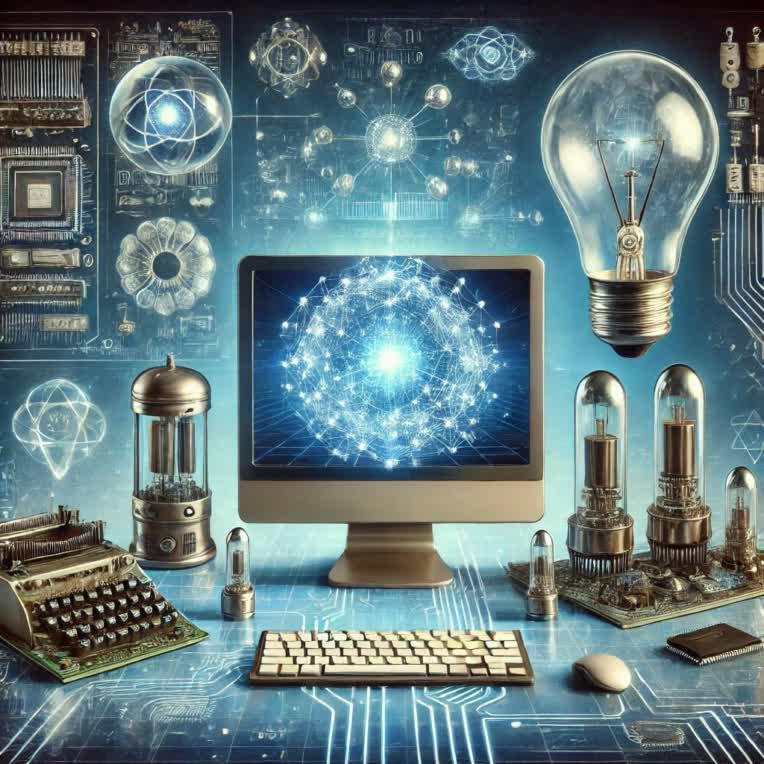
Computers: The Backbone of Modern Civilization
Introduction
Computers have become an integral part of modern life, transforming the way we work, communicate, and innovate. From personal devices to powerful servers managing global systems, computers are central to nearly every industry. Their unparalleled ability to process vast amounts of information with speed and accuracy has revolutionized our world.
________________________________________
The History of Computers
The journey of computers began in the mid-20th century. The first-generation computers were massive machines used primarily for military and scientific calculations. These devices relied on vacuum tubes and punch cards, limiting their speed and storage capabilities. The invention of the transistor in the late 1940s paved the way for smaller and more reliable second-generation computers.
By the 1970s, the development of microprocessors marked the advent of personal computers (PCs). Brands like Apple and IBM spearheaded the PC revolution, making computers accessible to households and small businesses. Since then, exponential advances in hardware and software have continuously pushed the boundaries of what computers can achieve.
________________________________________
Components of Modern Computers
Modern computers consist of several critical components:
1. Central Processing Unit (CPU): The "brain" of the computer, responsible for executing instructions and performing calculations.
2. Memory (RAM): Temporary storage for data that the CPU accesses during operation, enabling quick processing.
3. Storage: Hard drives (HDD) and solid-state drives (SSD) store data permanently, ensuring information can be retrieved as needed.
4. Graphics Processing Unit (GPU): Specialized for rendering images and performing parallel computations, GPUs are vital for gaming, simulations, and AI.
5. Input and Output Devices: Keyboards, mice, monitors, and printers connect users to the computer.
6. Software: Operating systems and applications serve as interfaces between hardware and users, enabling the performance of specific tasks.
________________________________________
Applications of Computers
Computers have diversified into numerous fields:
• Healthcare: From managing patient records to conducting robotic surgeries, computers enhance precision and efficiency.
• Education: Virtual classrooms, e-books, and online resources make learning more accessible and interactive.
• Entertainment: Streaming platforms, video games, and digital art rely heavily on computational power.
• Finance: Computers power online banking, stock market algorithms, and secure transactions.
• Science and Engineering: Simulations, data analysis, and AI research depend on computational strength.
• Business: Computers streamline operations through accounting software, customer relationship management (CRM), and inventory systems.
________________________________________
The Role of Computers in Emerging Technologies
In recent years, computers have driven breakthroughs in emerging fields such as artificial intelligence (AI), quantum computing, and the Internet of Things (IoT). AI enables machines to perform tasks traditionally requiring human intelligence, from language translation to image recognition. Quantum computers, though still in their infancy, promise to solve problems that are intractable for classical machines. Meanwhile, IoT integrates everyday objects with sensors and connectivity, creating smarter environments.
________________________________________
Challenges and Ethical Considerations
Despite their benefits, computers pose challenges:
1. Cybersecurity: As reliance on computers grows, so does the risk of data breaches and cyberattacks.
2. Digital Divide: Access to computers and the internet remains unequal globally, exacerbating socioeconomic disparities.
3. Ethics in AI: Decisions made by AI systems raise questions about accountability and bias.
4. Environmental Impact: The production and disposal of computer hardware contribute to electronic waste and carbon emissions.
________________________________________
The Future of Computers
The future of computing holds exciting possibilities. Developments in neural networks and machine learning will continue to enhance AI capabilities. Advanced computing architectures, such as those leveraging photonics and quantum mechanics, promise unprecedented speed and efficiency. Furthermore, the integration of augmented reality (AR) and virtual reality (VR) will blur the line between physical and digital worlds.
________________________________________
Conclusion
Computers are the foundation of the modern age, driving innovation and connecting the world. As they evolve, their potential to solve humanity's greatest challenges becomes increasingly evident. However, to ensure a future where technology serves all, society must address the ethical and environmental concerns surrounding computers.
کامپیوترها: ستون فقرات تمدن مدرن
مقدمه
کامپیوترها به بخش جداییناپذیر زندگی مدرن تبدیل شدهاند و شیوه کار، ارتباط و نوآوری را متحول کردهاند. از دستگاههای شخصی گرفته تا سرورهای قدرتمند که سیستمهای جهانی را مدیریت میکنند، کامپیوترها در مرکز تمام صنایع قرار دارند. توانایی بینظیر آنها در پردازش مقادیر عظیم اطلاعات با سرعت و دقت، جهان ما را دگرگون کرده است.
________________________________________
تاریخچه کامپیوترها
سفر کامپیوترها از اواسط قرن بیستم آغاز شد. کامپیوترهای نسل اول ماشینهای عظیمی بودند که عمدتاً برای محاسبات نظامی و علمی استفاده میشدند. این دستگاهها به دلیل استفاده از لامپهای خلأ و کارتهای پانچ، سرعت و ظرفیت محدودی داشتند. اختراع ترانزیستور در اواخر دهه 1940 راه را برای کامپیوترهای کوچکتر و قابل اعتمادتر هموار کرد
در دهه 1970، توسعه ریزپردازندهها باعث شد که کامپیوترهای شخصی (PC) به بازار وارد شوند. برندهایی مانند اپل و آیبیام نقش مهمی در انقلاب کامپیوترهای شخصی ایفا کردند و این دستگاهها را برای خانوادهها و کسبوکارهای کوچک در دسترس قرار دادند. از آن زمان، پیشرفتهای چشمگیر در سختافزار و نرمافزار مرزهای تواناییهای کامپیوترها را گسترش داده است.
________________________________________
اجزای کامپیوترهای مدرن
کامپیوترهای مدرن شامل چندین بخش حیاتی هستند:
واحد پردازش مرکزی (CPU): "مغز" کامپیوتر که وظیفه اجرای دستورات و انجام محاسبات را بر عهده دارد.
حافظه (RAM): ذخیرهسازی موقت دادهها که CPU هنگام اجرا به آن دسترسی دارد، این امکان را برای پردازش سریعتر فراهم میکند.
ذخیرهسازی: هارد دیسکها (HDD) و درایوهای حالت جامد (SSD) دادهها را بهصورت دائمی ذخیره میکنند و امکان بازیابی اطلاعات را فراهم میسازند.
واحد پردازش گرافیکی (GPU): برای رندر کردن تصاویر و انجام محاسبات موازی، GPUها برای بازی، شبیهسازی و هوش مصنوعی ضروری هستند.
دستگاههای ورودی و خروجی: کیبورد، ماوس، مانیتور و چاپگر کاربران را به کامپیوتر متصل میکنند.
نرمافزار: سیستمهای عامل و برنامهها بهعنوان رابط بین سختافزار و کاربران عمل میکنند و وظایف خاصی را ممکن میسازند.
________________________________________
کاربردهای کامپیوترها
کامپیوترها در زمینههای مختلف تنوع یافتهاند:
بهداشت و درمان: از مدیریت پروندههای بیماران گرفته تا جراحیهای رباتیک، کامپیوترها دقت و کارایی را افزایش میدهند.
آموزش: کلاسهای مجازی، کتابهای الکترونیکی و منابع آنلاین یادگیری را دسترسپذیرتر و تعاملیتر میکنند.
سرگرمی: پلتفرمهای استریم، بازیهای ویدیویی و هنر دیجیتال به قدرت محاسباتی وابستهاند.
مالی: بانکداری آنلاین، الگوریتمهای بازار سهام و تراکنشهای امن با کامپیوترها ممکن شدهاند.
علم و مهندسی: شبیهسازیها، تحلیل دادهها و پژوهشهای هوش مصنوعی به قدرت محاسباتی وابستهاند.
کسبوکار: کامپیوترها عملیاتهایی نظیر نرمافزار حسابداری، مدیریت ارتباط با مشتری (CRM) و سیستمهای موجودی را ساده میکنند
________________________________________
نقش کامپیوترها در فناوریهای نوظهور
در سالهای اخیر، کامپیوترها در زمینههای جدیدی مانند هوش مصنوعی (AI)، کامپیوترهای کوانتومی و اینترنت اشیا (IoT) پیشرفتهایی را رقم زدهاند. هوش مصنوعی امکان انجام کارهایی که به هوش انسانی نیاز دارند، مانند ترجمه زبان و تشخیص تصاویر، را فراهم کرده است. کامپیوترهای کوانتومی که هنوز در مراحل اولیه خود هستند، وعده حل مسائلی را میدهند که برای کامپیوترهای کلاسیک غیرقابل انجام است. از سوی دیگر، اینترنت اشیا با افزودن حسگرها و اتصال به اشیاء روزمره محیطهای هوشمندتری ایجاد میکند.
________________________________________
چالشها و ملاحظات اخلاقی
با وجود مزایای فراوان، کامپیوترها چالشهایی را نیز ایجاد میکنند:
امنیت سایبری: با افزایش وابستگی به کامپیوترها، خطر نقض دادهها و حملات سایبری نیز افزایش یافته است.
شکاف دیجیتال: دسترسی نابرابر به کامپیوترها و اینترنت در جهان، نابرابریهای اقتصادی-اجتماعی را تشدید میکند.
اخلاق در هوش مصنوعی: تصمیمات گرفتهشده توسط سیستمهای هوش مصنوعی سوالاتی در مورد مسئولیتپذیری و تعصب ایجاد میکند.
تأثیرات زیستمحیطی: تولید و دفع سختافزارهای کامپیوتری به ضایعات الکترونیکی و انتشار کربن دامن میزند.
________________________________________
آینده کامپیوترها
آینده کامپیوترها امکانات هیجانانگیزی را پیش رو دارد. پیشرفت در شبکههای عصبی و یادگیری ماشین، قابلیتهای هوش مصنوعی را بیش از پیش تقویت خواهد کرد. معماریهای پیشرفته محاسباتی، مانند استفاده از فوتونیک و مکانیک کوانتومی، سرعت و کارایی بینظیری را نوید میدهند. علاوه بر این، ادغام واقعیت افزوده (AR) و واقعیت مجازی (VR) مرزهای میان جهان فیزیکی و دیجیتال را محو خواهد کرد.
________________________________________
نتیجهگیری
کامپیوترها اساس عصر مدرن را تشکیل میدهند و نوآوری را هدایت کرده و جهان را به هم متصل میکنند. با پیشرفت آنها، پتانسیل برای حل بزرگترین چالشهای بشریت به وضوح آشکار میشود. با این حال، برای اطمینان از آیندهای که در آن فناوری به نفع همه عمل کند، جامعه باید به نگرانیهای اخلاقی و زیستمحیطی پیرامون کامپیوترها رسیدگی کند.
نمونهکار را به اشتراک بگذارید
کپی لینک


گزارش تخلف
نمونه کارهای مشابه

برترین مهارت ها
کارلنسر
کارلنسر (Karlancer)، پلتفرم فریلنسینگ و دورکاری اینترنتی، جهت استخدام فریلنسرهای حرفهای در ایران است. از جمله پروژههایی که میتوانید آنها را برون سپاری کنید و یا انجام دهید، میتوان به: برنامه نویسی، ساخت اپلیکیشن و نرم افزار، طراحی سایت، تولید محتوای سایت و شبکههای اجتماعی، تایپ و ترجمه، عکاسی، طراحی (لوگو، بنر، پوستر، چهره و...)، ویراستاری، بازاریابی، دیجیتال مارکتینگ، سئو SEO (بهینهسازی موتورهای جست و جو)، ادیت و ویرایش عکس، ساخت و تدوین کلیپ و تیزر، ساخت اینفوگرافیک، مدلسازی، ویرایش فایلهای صوتی، آهنگسازی، پروژههای مهندسی، علوم تجربی، هنر، معماری، طراحی داخلی و... اشاره کرد. با کارلنسر، همراه شما هستیم.
کارلنسر در یک نگاه
کارلنسر را در شبکه های اجتماعی دنبال کنید
شماره تماس
آدرس ایمیل
تمامی حقوق مادی و معنوی این وب سایت به شرکت کارلنسر تعلق دارد